

2026 Kia Niro vs. 2026 Toyota Prius: The Better Hybrid for Colbert Commuters
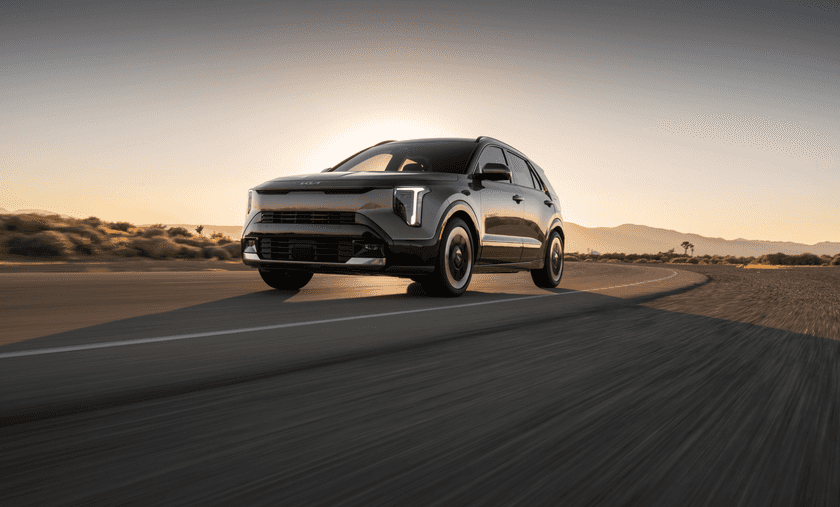
2026 Kia Niro vs. 2026 Toyota Prius: The Better Hybrid for Colbert Commuters
Colbert drivers commuting along GA-72 toward Athens or Commerce have two clear hybrid standouts to consider this year: the 2026 Kia Niro and the 2026 Toyota Prius. Both are built around maximum efficiency, but they take genuinely different approaches to getting there — one as a crossover, one as a low-slung hatchback. Here’s how they stack up.
Price:
2026 Kia Niro: Starts at $27,390 MSRP for the LX trim.
2026 Toyota Prius: Starts at $28,550 MSRP for the LE trim.
The Niro undercuts the Prius by roughly $1,000 to $1,300 depending on trim, giving Colbert shoppers a lower starting point for comparable hybrid efficiency.
Fuel Economy:
This is a category where Toyota genuinely deserves credit. The redesigned Prius is EPA-rated at up to 57 mpg in the city and 56 mpg on the highway — some of the best fuel economy of any hybrid on sale today, and a real step up from the Niro’s already-strong 53 city / 54 highway mpg rating. If squeezing every possible mile out of a gallon of gas is your absolute top priority, the Prius edges ahead here.
Space and Practicality:
This is where the Niro pulls decisively ahead. As a crossover, it offers 39.8 inches of rear legroom compared to the Prius’s 34.8 inches — a full five inches more room for rear-seat passengers. The Niro’s cargo area is also more useful day to day, with up to 63.7 cubic feet of total volume versus the Prius’s more limited hatchback cargo space. For Colbert families hauling kids, gear, or groceries on top of the daily commute, that extra room adds up fast.
Ride Height and Visibility:
The Niro’s elevated crossover stance gives drivers a more commanding view of the road and easier entry and exit than the low-slung Prius, which can matter on the two-lane roads and gravel driveways common around Colbert.
Technology:
The Niro is available with dual 10.25-inch panoramic displays and Kia’s digital key feature, letting you lock, unlock, and start your vehicle from a compatible smartphone. Toyota’s Prius offers its own strong tech suite and has genuinely earned a reputation for safety, including a Top Safety Pick+ rating from the IIHS. That’s a real point in Toyota’s favor for safety-focused shoppers, and Toyota’s broader dealer network is also worth acknowledging for anyone weighing long-term service convenience.
Warranty:
Kia’s 10-year/100,000-mile powertrain warranty on the Niro provides double the coverage length of Toyota’s standard 5-year/60,000-mile protection. For a vehicle you’re planning to drive for the long haul, that gap in coverage is significant.
Safety and Reliability Reputation:
Toyota has built an exceptionally strong long-term reliability reputation over decades, and Consumer Reports has consistently ranked the brand near the top of its overall reliability rankings — a genuinely earned distinction that deserves acknowledgment. The Prius also carries a full 5/5 NHTSA overall safety rating and IIHS Top Safety Pick+ honors, both excellent results. The Niro has not yet completed the same full round of IIHS testing for the current model year, so safety-conscious Colbert shoppers who prioritize that specific third-party certification should factor that into their decision alongside the Niro’s own strong warranty and value proposition.
Maintenance and Ownership Costs:
Toyota includes complimentary scheduled maintenance for the first two years or 25,000 miles on the Prius, a nice perk that offsets some ownership costs early on. Kia doesn’t match that specific perk on the Niro, but the tradeoff comes back around in the warranty comparison — a full decade of powertrain coverage on the Niro extends far beyond the Prius’s initial maintenance period and well past Toyota’s standard warranty window.
Which Fits Your Daily Drive?
For Colbert commuters who mostly drive alone and prioritize the single best possible mpg number, the Prius has a legitimate claim to the top spot in this comparison. But for anyone who regularly carries passengers, hauls cargo, or simply wants a roomier, more comfortable daily driver without giving up serious hybrid efficiency, the Niro’s practicality advantages are hard to ignore.
Driving GA-72 Every Day:
The stretch of GA-72 connecting Colbert to Athens and Commerce covers a mix of open rural highway and slower-paced small-town driving, and both hybrids handle that combination competently. The Niro’s slightly higher seating position gives a clearer view of the road ahead on the more open sections, which some Colbert drivers find preferable to the Prius’s lower, more reclined driving position, especially on longer commutes where comfort matters as much as efficiency.
Resale Considerations:
Toyota’s reputation for strong resale value is real and applies to the Prius as much as any other model in its lineup — a genuine point in Toyota’s favor for buyers planning to trade in after just a few years. Kia’s own resale values have been improving steadily as the brand’s reliability reputation grows, but Toyota still holds an edge here for now. It’s a factor worth weighing against the Niro’s lower purchase price and longer warranty, particularly if you tend to trade in vehicles frequently rather than driving them for the long haul.
Sizing Up Your Household’s Real Needs
Before deciding purely on mpg numbers, it’s worth thinking through how the vehicle will actually be used day to day. A single commuter with no regular passengers might lean toward the Prius’s slightly better efficiency. A Colbert household that carpools, shuttles kids to activities, or regularly hauls cargo alongside the daily commute will likely find the Niro’s extra space pays off in ways that matter more than a few extra miles per gallon on the sticker.
Test Driving Both Before You Decide
Numbers on a page only tell part of the story. The Niro’s higher seating position and the Prius’s lower, sportier stance genuinely feel different from behind the wheel, and personal preference plays a real role here. Before committing, it’s worth spending time in both, ideally on the same stretch of GA-72 you’ll be driving every day, so you can judge visibility, comfort, and road feel for yourself rather than relying on spec sheets alone.
The Bottom Line for Colbert Shoppers
Both of these hybrids will genuinely save you money at the pump compared to a traditional gas vehicle, so in some sense you can’t go wrong either way. The real decision comes down to what you’re optimizing for: the Prius’s slightly higher mpg ceiling, or the Niro’s combination of more space, a lower price, and a much longer warranty. For most commuters balancing daily practicality against pure efficiency, the Niro’s all-around package tends to win out.
Which One Is Right for You?
Choose the Prius if maximum fuel economy and Toyota’s strong safety reputation are your top priorities, and you don’t need extra passenger or cargo room.
Choose the Niro if you want more usable space for passengers and cargo, a lower starting price, easier entry and exit, and a warranty that covers you twice as long — all while still getting exceptional hybrid mileage. For most Colbert commuters who need a hybrid that also has to double as a family vehicle, the Niro is the smarter overall choice.
Test Drive the 2026 Kia Niro at Bulldog Kia
See how far your fuel budget can stretch without giving up the room you need. Stop by Bulldog Kia and take the Niro for a drive through Colbert and back.
Pricing shown is MSRP and excludes destination, tax, title, and dealer fees. See Bulldog Kia for full details and current offers.

0 comment(s) so far on 2026 Kia Niro vs. 2026 Toyota Prius: The Better Hybrid for Colbert Commuters