

2026 Kia Sorento vs. 2026 Toyota 4Runner: Which Three-Row SUV Is Right for Bishop Drivers?
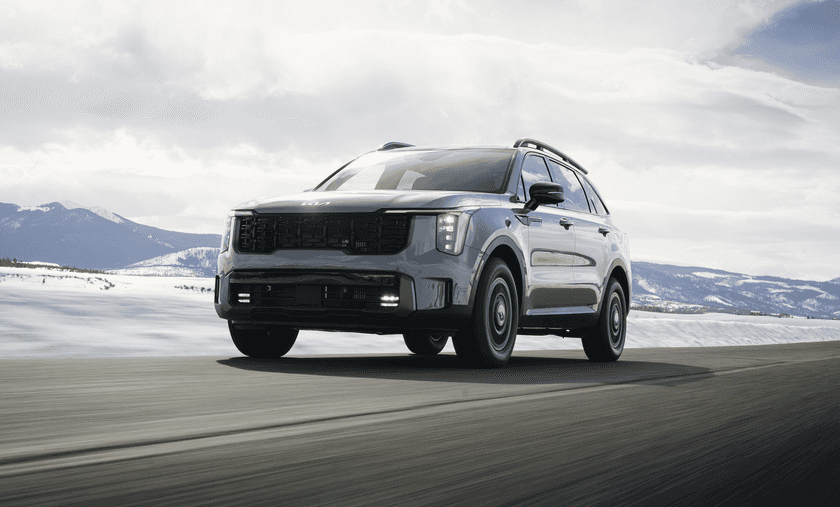
2026 Kia Sorento vs. 2026 Toyota 4Runner: Which Three-Row SUV Is Right for Bishop Drivers?
Bishop drivers along US-441 tend to want an SUV that can do it all — school runs during the week, a trip to Watson Mill Bridge or the lake on the weekend, and enough room to haul the whole family without feeling cramped. Two SUVs regularly come up in that conversation: the 2026 Kia Sorento and the redesigned 2026 Toyota 4Runner. They’re built for genuinely different priorities, so let’s break down where each one wins.
Price:
2026 Kia Sorento: Starts at $32,390 MSRP, giving Bishop families a three-row SUV at a price closer to a compact crossover than a midsize one.
2026 Toyota 4Runner: Starts at roughly $44,467 MSRP — over $12,000 more than the Sorento’s starting price.
That gap is enormous for two vehicles that both wear the “SUV” badge. It buys a lot of Kia.
Capability and Towing:
Here’s where the 4Runner genuinely earns its keep. Toyota’s redesigned 4Runner is a body-on-frame, truck-based SUV built for real off-roading and towing, with a standard towing capacity well above what the Sorento offers and a higher payload rating to match. If your weekends involve serious trails or you’re regularly pulling a heavier trailer or boat, the 4Runner’s dedicated off-road hardware and available TRD trims are hard to match.
The Sorento is more of a crossover than a trail rig — it’s front- or all-wheel drive with unibody construction, and its turbocharged engine tops out around 4,500 pounds of towing capacity on the X-Pro trim, or 3,500 pounds on other trims. That’s plenty for a small boat or a utility trailer, but it’s not built to chase the 4Runner into genuinely rugged terrain.
Seating and Everyday Practicality:
This is where the Sorento pulls ahead for most families. It seats up to seven across three rows and offers roughly 105 cubic feet of passenger volume, with genuinely usable third-row space for a three-row SUV this size. The 4Runner, by contrast, is fundamentally a five-passenger SUV built around off-road capability first — practicality for a growing family is a secondary consideration.
Performance and Fuel Economy:
The Sorento’s turbocharged 2.5-liter engine makes up to 281 horsepower on the X-Pro trim, with EPA estimates around 23 to 26 mpg combined depending on drivetrain, and hybrid trims pushing highway numbers up to 36 mpg. The 4Runner’s reputation for reliability and go-anywhere durability is well earned and deserves real credit — Toyota’s body-on-frame construction has a long track record of holding up to hard use. But that durability comes at the cost of everyday efficiency and a much higher price of entry.
Technology and Warranty:
The Sorento comes standard with a 12.3-inch touchscreen and Kia’s Drive Wise safety suite, and it’s backed by Kia’s 10-year/100,000-mile powertrain warranty — coverage that dramatically outlasts Toyota’s standard protection. For a family vehicle you’re planning to keep through years of school runs and road trips, that warranty gap matters.
Safety Recognition:
The 2026 Sorento was recognized as an IIHS Top Safety Pick+, earning the highest overall vehicle score by meeting rigorous safety and performance criteria. That’s a genuine accolade, and it puts the Sorento in good company with the 4Runner’s own solid safety reputation. Toyota does include a few extra standard features on the 4Runner’s higher trims, like driver and passenger knee airbags and a secondary collision braking system that automatically applies the brakes after an initial impact to help prevent a follow-up collision — thoughtful additions worth knowing about if maximum standard safety hardware is a priority for you.
Ground Clearance and Real-World Driving:
The 4Runner’s dedicated off-road engineering shows up in details like its higher ground clearance and available terrain-specific drive modes, genuinely useful if you’re regularly driving unpaved roads or need serious departure and approach angles. The Sorento’s ground clearance is more modest at around 6.9 inches standard, reflecting its crossover roots — perfectly capable for gravel driveways and light trail access around Bishop, but not built to tackle the kind of terrain the 4Runner is engineered for.
Weighing Total Value:
When you add up the Sorento’s lower starting price, extra passenger seating, better daily fuel economy, and significantly longer warranty against the 4Runner’s genuine towing and off-road advantages, the decision really comes down to how you’ll actually use the vehicle day to day. Most Bishop families running school routes, errands, and the occasional lake trip will find the Sorento covers everything they need without the premium price tag.
Hybrid Sorento: An Extra Option Worth Considering
Bishop drivers cross-shopping efficiency should also take a look at the Sorento Hybrid trims, which push highway fuel economy up to roughly 36 mpg on select configurations — figures well beyond anything the gas-only 4Runner can offer. For families who split their driving between local errands and longer highway trips, that hybrid option adds yet another way the Sorento lineup can be tailored to exactly how you drive, without giving up the three-row seating that makes it a genuine family vehicle in the first place.
Parking and Everyday Maneuverability:
Bishop’s town center and the parking areas around US-441 favor a vehicle that’s easy to park and maneuver, and the Sorento’s smaller overall footprint compared to the 4Runner makes it noticeably easier to navigate tighter spaces, whether that’s a crowded school pickup line or a packed lot on game day in nearby Athens.
Fuel Stops and Long-Haul Trips
For Bishop families who make regular trips further out — whether that’s visiting relatives a few hours away or a weekend at the coast — the Sorento’s better standard fuel economy means fewer stops along the way. The 4Runner’s larger fuel tank partially offsets its lower mpg on longer trips, but drivers doing frequent highway travel will still typically spend less at the pump over a year of Sorento ownership than they would with the thirstier 4Runner.
Interior Materials and Everyday Feel
Step inside either SUV and you’ll find genuinely well-built cabins, but they’re built for different priorities. The Sorento leans toward a family-friendly, tech-forward layout with soft-touch materials in the areas passengers interact with most. The 4Runner’s cabin reflects its off-road mission with a more rugged, utilitarian feel — durable surfaces built to handle mud, gear, and hard use rather than maximizing plushness. Neither approach is wrong; it simply comes down to whether your priority is a family SUV that feels upscale, or a trail-ready SUV built to take a beating.
Which One Is Right for You?
Choose the 4Runner if serious off-roading, maximum towing capacity, and Toyota’s body-on-frame durability are non-negotiable for how you actually use your SUV.
Choose the Sorento if you want genuine three-row family seating, strong daily efficiency, a dramatically lower price of entry, and a warranty that covers you twice as long — all while still being able to tow a boat or camper on weekends. For the vast majority of Bishop families cross-shopping this pair, the Sorento delivers what you actually need for thousands less.
Test Drive the 2026 Kia Sorento at Bulldog Kia
See for yourself how much SUV your money buys with the Sorento. Stop by Bulldog Kia and take one for a drive through Bishop and out toward the lake — we think you’ll be surprised how little you have to give up.
Pricing shown is MSRP and excludes destination, tax, title, and dealer fees. See Bulldog Kia for full details and current offers.

0 comment(s) so far on 2026 Kia Sorento vs. 2026 Toyota 4Runner: Which Three-Row SUV Is Right for Bishop Drivers?