

Inside Kia’s Design Philosophy: Why Every New Kia Looks the Way It Does
Inside Kia’s Design Philosophy: Why Every New Kia Looks the Way It Does
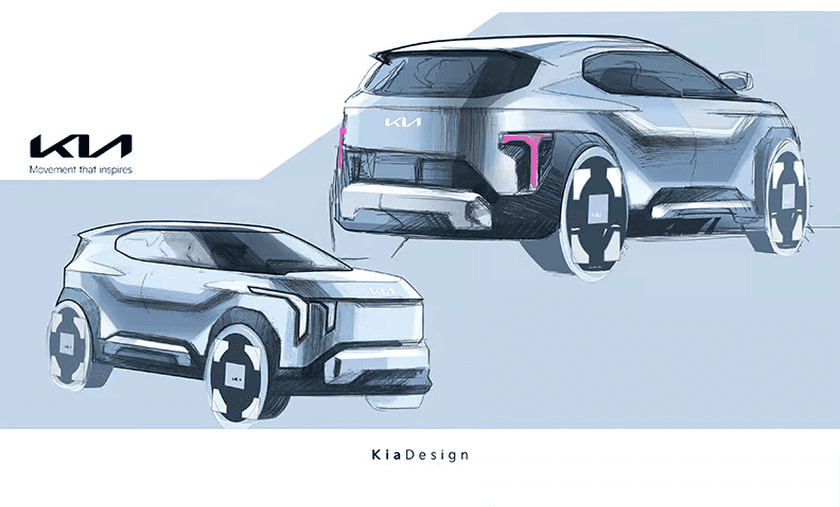
Spend enough time around Hull’s newest Kia models and a pattern starts to emerge — sharp, geometric lighting signatures, bold grilles, and an overall design language that feels distinct from nearly everything else on the road. That’s not an accident. It’s the result of a deliberate design philosophy Kia has built and refined over the past decade, and understanding it changes how you see every new Kia that rolls off the West Point line.
The “Tiger Nose” Evolution
Kia’s design identity has long centered around its signature grille shape, originally nicknamed the “Tiger Nose.” Over the years, that design element has evolved substantially — from a straightforward grille outline into the more abstract, technical “Tiger Face” and now the sharper “Digital Tiger Face” seen across current models like the EV6 and EV3. Each evolution keeps a thread of continuity while pushing the look forward, so a Kia is recognizable as a Kia even as the specific execution changes generation to generation.
“Opposites United”
Kia’s broader design philosophy is built around a concept the brand calls “Opposites United” — the idea that compelling design comes from balancing contrasting elements: bold and subtle, technical and natural, structured and fluid. You can see this play out in models like the EV9, which pairs a boxy, almost architectural exterior with a warm, minimalist interior — two seemingly opposing design languages working together rather than fighting each other.
Function Driving Form
A lot of Kia’s recent styling choices aren’t purely aesthetic — they serve real functional purposes. The EV3 and EV9’s boxy proportions maximize interior space efficiency for their footprint, while sharp character lines across the lineup aren’t just visual flourishes but often help with aerodynamics, particularly important on Kia’s growing EV lineup where every bit of efficiency extends real-world range.
A Different Design Language for Every Category
Look closely and you’ll notice Kia doesn’t apply one single look uniformly across every model. The Telluride’s design leans rugged and substantial, befitting a large three-row SUV. The K5 goes coupe-like and sporty, chasing a completely different emotional response. The EV lineup, from EV6 through EV9 and now EV3, embraces a more futuristic, tech-forward aesthetic that visually signals “this is electric” without needing a badge to say so. That intentional differentiation across categories is part of what makes Kia’s current lineup feel cohesive as a brand while still letting each vehicle have its own clear identity.
Interior Design Follows the Same Principles
Inside the vehicle, Kia’s design team has increasingly focused on wide, panoramic display setups — seen across the EV lineup and now filtering into gas and hybrid models too — paired with a growing use of sustainable materials like recycled plastics and plant-based textiles. It’s a deliberate signal that Kia’s design ambitions extend beyond the sheet metal into genuine environmental responsibility, without sacrificing the premium feel buyers expect.
Award-Winning Results
This design strategy hasn’t just resonated with everyday buyers — it’s earned serious industry recognition. Both the Telluride and EV9 have claimed World Car of the Year-caliber honors in their respective categories, validation that Kia’s design risks have paid off at the highest levels of automotive criticism, not just in showroom appeal.
Why This Matters for Hull Shoppers
Understanding the philosophy behind the styling changes how a showroom visit feels. Rather than just reacting to whether a specific vehicle “looks nice,” you can appreciate the deliberate choices behind a grille shape, a lighting signature, or an interior layout — and recognize how those choices tie back to a broader, consistent vision Kia has been building toward for years.
A Design Language Still Evolving
With new models like the EV3 continuing to push Kia’s design language into new categories and price points, it’s clear the brand isn’t done evolving this approach. For Hull drivers who appreciate a vehicle that stands out in a parking lot rather than blending in, that ongoing design momentum is part of what makes shopping Kia’s current lineup genuinely interesting.
Colors and Materials Tell Their Own Story
Kia’s design philosophy extends into color and material choices too — bold, distinctive paint options across the lineup and a growing use of two-tone interior treatments that avoid the all-black, all-gray sameness common across a lot of mainstream vehicles. Even something as simple as an available color option reflects the same “Opposites United” thinking, mixing unexpected combinations that still feel cohesive rather than jarring.
What to Look For on Your Next Showroom Visit
Next time you’re browsing Hull’s newest Kia inventory, take a moment to compare how the same core design principles show up differently across the lineup — the Telluride’s substantial front end versus the EV3’s smoother, more aerodynamic face, or the K5’s low, sporty stance next to the Sorento’s more upright, practical profile. Once you know what to look for, the consistency underneath all that variety becomes a lot easier to appreciate.
See Kia’s Design Philosophy in Person at Bulldog Kia
Photos only tell part of the story. Stop by Bulldog Kia and see how Kia’s design philosophy translates in person, across everything from the Telluride to the all-new EV3.

0 comment(s) so far on Inside Kia’s Design Philosophy: Why Every New Kia Looks the Way It Does