

Built in Georgia: How Kia’s West Point Plant Powers the SUVs on Statham’s Roads
Built in Georgia: How Kia’s West Point Plant Powers the SUVs on Statham’s Roads
Every time a Statham driver passes a Kia Telluride, Sorento, or Sportage on US-78, there’s a good chance that vehicle didn’t travel far to get there. Kia’s only manufacturing plant in the United States sits just a few hours west in West Point, Georgia — and its story is a genuine point of local pride for Kia owners across the state.
A Georgia Institution Since 2009
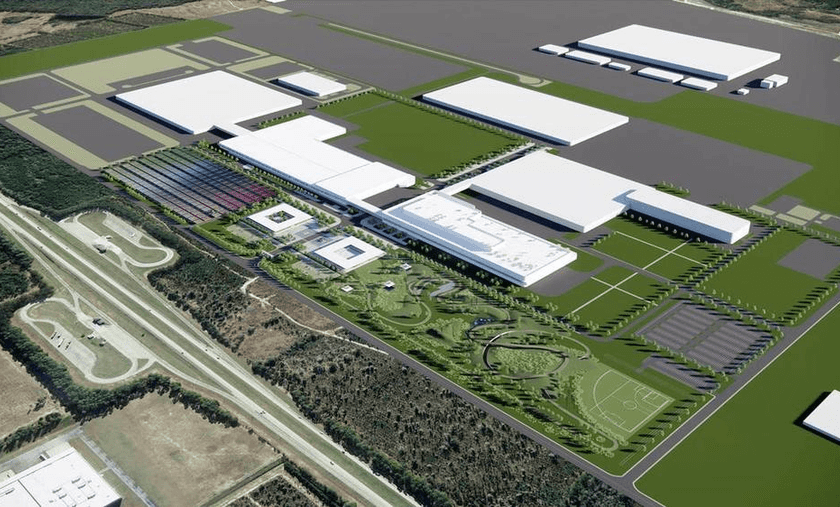
Kia Motors Manufacturing Georgia began mass production on November 16, 2009, marking Kia’s first manufacturing facility in North America. Since then, the West Point plant has grown into one of the most significant automotive manufacturing operations in the Southeast, spread across roughly 2,200 acres and representing over a billion dollars in initial investment.
A Milestone Worth Celebrating
Earlier this year, Kia Georgia marked a genuinely historic moment: the plant’s five-millionth vehicle rolled off the line, coinciding with the start of production for the all-new 2027 Telluride — and Georgia’s first-ever hybrid vehicle, the plant’s first hybrid production of any kind. That’s not a small accomplishment for a facility that started from a single production line back in 2009.
What’s Actually Built There
The West Point plant currently assembles the Telluride, Sorento, Sportage, and K5 — the same nameplates filling Statham driveways and school pickup lines throughout Northeast Georgia. In recent years, Kia has expanded the plant’s role even further by adding electric vehicle production: the EV9 and, following a $217 million expansion, the EV6 as well, making West Point the fifth model line running through the facility and a central hub for Kia’s North American EV manufacturing.
Real Jobs, Real Local Impact
Kia Georgia directly employs somewhere in the range of 2,700 to 3,200 workers at the West Point facility, and the plant’s broader economic ripple effect has helped create thousands of additional jobs throughout the region over the years since it opened. For a state that wasn’t traditionally known as an automotive manufacturing hub, Kia’s investment in West Point has meaningfully reshaped the local economy of West Georgia.
Why Local Assembly Matters for Statham Buyers
Beyond the sense of state pride, there are practical advantages to a vehicle built close to home. Shorter supply chains can mean fewer shipping-related delays, and vehicles assembled domestically can carry certain trade and tariff advantages that keep pricing more competitive for American buyers — a genuinely relevant factor as automakers navigate a shifting global trade landscape in 2026.
A Legacy Vehicle Still Being Written
The Telluride holds particular significance at the West Point plant. Since its debut in 2019, the Telluride has become one of Kia’s most brand-defining vehicles in the US market, and the redesigned 2027 model’s launch from the same Georgia facility ties its next chapter directly to the plant’s own ongoing growth and milestones.
Scaling Up for the Future
With an annual production capacity north of 360,000 vehicles, the West Point plant has real room to keep growing as demand shifts, particularly as Kia continues expanding its electrified lineup. Kia’s broader push toward electrification across the industry means facilities like West Point are likely to keep playing an increasingly central role in how Kia’s SUVs and EVs reach driveways across the Southeast and beyond.
A Point of Pride for Georgia Kia Owners
For Statham drivers who like knowing where their vehicle actually comes from, there’s something genuinely satisfying about driving a Telluride or Sorento built by fellow Georgians a few hours down the road, rather than a vehicle that crossed an ocean to reach the lot. It’s a connection that goes beyond marketing — real jobs, real investment, and a real manufacturing legacy rooted right here in the state.
A Facility Built for Flexibility
What makes the West Point plant particularly impressive from a manufacturing standpoint is that all five current vehicle lines — gas, hybrid, and electric alike — run down the same assembly line, moving through welding, paint, and final assembly together regardless of powertrain. That flexibility lets Kia shift production emphasis toward whichever models are in highest demand without needing to build entirely separate facilities for each one.
Quality Standards Built Into the Process
Beyond sheer output, the West Point plant has built a reputation for rigorous quality control throughout the assembly process, with vehicles passing through multiple inspection stages before ever leaving the facility. That attention to process is part of why vehicles built at West Point have earned strong reliability reputations relative to Kia’s earlier, entirely import-built history.
Part of a Growing Georgia Footprint
Kia Georgia’s success at West Point has also helped pave the way for further Hyundai Motor Group investment in the state, including the massive Metaplant America facility near Savannah, which is expected to begin contributing to Kia’s electric vehicle production as well. For a state that wasn’t traditionally known as an automotive manufacturing hub, that growing footprint represents a genuinely significant economic shift centered in Georgia.
What It Means Walking Onto the Lot
Next time you’re at Bulldog Kia looking at a Telluride, Sorento, Sportage, or K5, it’s worth remembering that vehicle likely started its journey just a few hours away in West Point — built by a workforce that calls Georgia home, on a production line that’s grown from a single line in 2009 into a five-model operation producing some of Kia’s most important vehicles for the entire North American market.
Come See West Point’s Work at Bulldog Kia
Next time you’re behind the wheel of a Telluride, Sorento, Sportage, or K5, you’re driving a piece of Georgia manufacturing history. Stop by Bulldog Kia to see the latest models built just down the road in West Point.

0 comment(s) so far on Built in Georgia: How Kia’s West Point Plant Powers the SUVs on Statham’s Roads