


Deer Season on Northeast Georgia Roads: How Rutledge Drivers Can Stay Safe This Fall
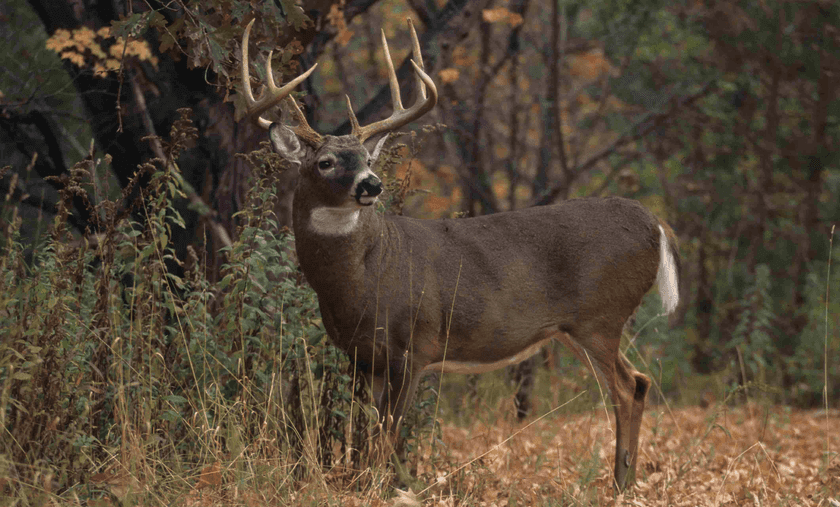
Deer Season on Northeast Georgia Roads: How Rutledge Drivers Can Stay Safe This Fall
Anyone who drives I-20 through Rutledge, takes the back roads past Hard Labor Creek State Park, or heads toward Madison and Social Circle on a fall evening knows the feeling: you crest a hill, the headlights catch a pair of eyes at the edge of the pavement, and your stomach drops. October through December is deer season on Georgia roads, and the next few weeks are the most dangerous stretch of the year. Here is what Rutledge and Northeast Georgia drivers need to know to stay safe, and what to do if the worst happens.
Why Fall Is the Danger Zone
Georgia’s Department of Natural Resources estimates that drivers in the state hit roughly 50,000 deer a year. State Farm’s claims data shows animal collisions peaking from October through December, and the first two weeks of November are traditionally the busiest of all. That is the breeding season, when bucks chase does across roads with little regard for traffic. The odds are not small. State Farm has previously calculated that a Georgia motorist has about a 1-in-131 chance of striking a deer in a given year.
Timing makes it worse. Deer are most active between dusk and dawn, and the end of Daylight Saving Time, which this year falls on Sunday, November 1, shifts the evening commute into the dark. Suddenly thousands of drivers are on the road at exactly the hours deer are moving.
Where Rutledge Drivers Face the Most Risk
Rural and wooded corridors are the highest-risk places, and Morgan County has plenty of them. The stretches to watch are the ones where woods or water meet the shoulder: the roads around Hard Labor Creek, the two-lane connectors between Rutledge, Madison, and Social Circle, and the edges of I-20 where the right of way backs up to timber. One deer almost always means another, so if you see one cross, slow down immediately and keep scanning the roadside.
Ten Habits That Actually Reduce Your Risk
- Slow down on dark rural roads. Speed is the one factor entirely in your control. At lower speeds you have more time to stop and the collision is less severe.
- Use your high beams whenever no oncoming traffic is present. They reveal reflective eyes much farther down the road.
- Scan the shoulders, not just the lane. Look for the glint of eyes at the road edge, and treat any movement in the ditch as a warning.
- Heed deer-crossing signs. They are placed where collisions have actually happened.
- Be extra careful near woods and water. Creeks, field edges, and tree lines are natural deer corridors.
- Drive in the right lane on multi-lane roads when possible, which gives you more room to react.
- Wear your seat belt every time. Most injuries in animal collisions are worse for unbelted occupants.
- Avoid distractions at dusk. That is the moment your eyes are adjusting to low light.
- Skip the deer whistles. There is no scientific evidence that car-mounted whistles work.
- Keep your headlights clean and aimed properly. Foggy or dirty lenses can cut visibility significantly.
What to Do If a Deer Runs Into the Road
Brake firmly and stay in your lane. This is the advice safety experts repeat most, and it surprises people. Swerving to avoid a deer is what turns a bad collision into a catastrophic one, because it can send you into oncoming traffic, off the road, or into a tree. Keep the steering wheel straight, brake hard, and, if you can, honk and tap the brakes to warn the driver behind you.
Flashing your high beams and sounding the horn can sometimes move a deer out of the road before you reach it. If impact is unavoidable, ease off the brake at the last moment so the front end does not dive and the deer is less likely to come over the hood.
What to Do After a Collision
- Get to a safe place. Pull onto the shoulder if the vehicle is drivable and turn on your hazard lights.
- Check everyone for injuries and call 911 if anyone is hurt or if the vehicle is blocking traffic.
- Stay away from the animal. An injured deer can kick violently.
- Take photos of the damage, the scene, and the road conditions.
- Call your insurance company. Deer collisions are generally handled under comprehensive coverage, not collision, which can mean a lower deductible. Check your own policy.
- Have the vehicle inspected even if the damage looks minor. Hidden problems with radiators, sensors, alignment, and lights are common.
Do Driver-Assist Features Help With Deer?
Modern safety systems are a real benefit on dark roads, but it is important to be honest about what they do. Forward collision-avoidance systems are designed mainly to detect vehicles and pedestrians, so you should never count on them to spot an animal. What they do offer is faster reaction to anything that suddenly stops ahead of you. Automatic high beams, which are standard on a number of Kia models, help you see farther without taking your attention off the road. Features like these supplement your attention. They do not replace it.
Get Your Vehicle Ready for Deer Season
A short pre-season checklist can make a real difference:
- Headlights: Make sure every bulb works, and have cloudy lenses restored or replaced.
- Brakes: Worn pads and rotors add feet to your stopping distance, exactly when you need it shortest.
- Tires: Check tread depth and pressure. Fall rain on leaf-covered roads reduces grip.
- Wipers: Replace streaking blades before the wet season.
- Alignment and suspension: If your vehicle pulls to one side, get it checked before it matters.
If you drive a Kia and have not had it inspected recently, the service team at Bulldog Kia can look over the lights, tires, and brakes so you head into the darkest months with confidence.
A Few Final Reminders
Remember that the risk does not end with the first cold snap. Deer stay active through December, and the days around the Thanksgiving holiday combine heavy travel with peak deer movement. If you are driving to see family, leave a little earlier so you can avoid the darkest hours, and slow down as you pass wooded sections. A few minutes saved is never worth a collision.
Stay Safe on Rutledge Roads This Fall
Bulldog Kia is proud to serve drivers across Northeast Georgia, from Rutledge and Madison to Social Circle and Athens. If your vehicle needs a pre-season check, or if you are wondering how today’s safety features can help on the roads you drive every day, stop by and talk with our team. We are always glad to help our neighbors get home safely.
0 comment(s) so far on Deer Season on Northeast Georgia Roads: How Rutledge Drivers Can Stay Safe This Fall