

How Kia Built a Reputation for Safety: A Look for Comer Families
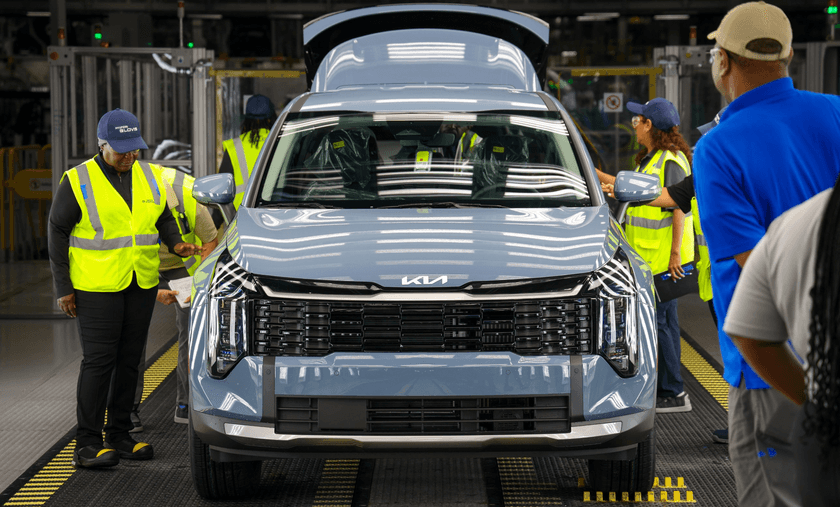
How Kia Built a Reputation for Safety: A Look for Comer Families
Comer families cross-shopping a new vehicle for the first time in a few years are often surprised by how differently Kia gets talked about in 2026 compared to a decade ago. The brand’s reputation used to be built almost entirely around value and warranty coverage. Today, safety engineering has become just as central to the story — and it’s worth understanding how that happened, with real numbers behind it rather than just a marketing claim.
Starting With the Independent Testing That Actually Matters
The Insurance Institute for Highway Safety, or IIHS, runs the auto industry’s toughest independent crash testing program — one that automakers don’t control and can’t influence. Earning the organization’s Top Safety Pick+ rating, its highest distinction, requires strong performance across front, side, and rollover crash tests, plus a qualifying set of standard crash-avoidance and headlight features. It’s a genuinely difficult bar to clear.
A Lineup-Wide Pattern, Not a Single Standout Model
What makes Kia’s safety record notable isn’t one halo vehicle — it’s the breadth of it. The Telluride, EV9, Sportage, and Sorento have all earned IIHS Top Safety Pick+ ratings in recent model years, and the K4 compact sedan has earned its own strong independent recognition alongside them. That’s a safety commitment spread across sedans, compact SUVs, and three-row family haulers alike, rather than one expensive flagship carrying the brand’s reputation on its own.
What’s Actually Standard, Not Optional
- Forward collision-avoidance assist with pedestrian detection, standard across most of the current Kia lineup
- Lane-keeping assist and lane-following assist, standard on the vast majority of current trims
- Driver attention warning, standard on most models to catch early signs of drowsy or distracted driving
- Rear occupant alert, a standard feature designed to remind drivers to check the back seat before walking away
The key detail for Comer shoppers: a lot of this technology comes standard on base trims rather than being locked behind an expensive options package, which is a meaningfully different approach than some competitors take with their own driver-assist suites.
How This Shows Up in Real Ownership
Independent crash testing and standard driver-assist technology aren’t just numbers on a spec sheet — they translate into real protection in the kind of everyday driving situations that matter most: a sudden stop on a two-lane road, a distracted moment at an intersection, an unexpected lane drift on a long highway stretch. Comer families who do a lot of driving on rural roads and two-lane highways around Madison County benefit directly from technology that’s designed to catch exactly those situations.
The EV9’s Safety Credentials Specifically
Kia’s three-row electric SUV, the EV9, has earned its own IIHS Top Safety Pick+ rating alongside recognition as a top EV pick from multiple independent outlets — proof that Kia’s safety engineering commitment extends into its newest electrified models, not just its established gas-powered lineup.
Why This Pattern Is Harder to Fake Than It Sounds
It’s worth understanding just how rigorous IIHS testing actually is. The organization crash-tests vehicles using its own purchased units, not ones supplied and prepared by automakers, and it updates its testing criteria regularly to stay ahead of what the industry already does well. A single Top Safety Pick+ rating is genuinely difficult to earn. A sustained pattern of them, across multiple vehicle types and several consecutive model years, as Kia has built, reflects something structural about how the brand engineers its vehicles — not a one-time marketing push.
Built-in, Not Bolted-On
One detail worth knowing: Kia’s current safety architecture is designed into each vehicle’s platform from the start, rather than added later as an afterthought. That’s part of why the brand has been able to extend strong crash-test performance across such a wide range of body styles — from the compact K4 sedan up through the three-row Telluride and EV9 — rather than concentrating safety engineering in just one or two flagship models.
What This Means When You’re Actually Shopping
For Comer families comparing a Kia against other brands, the practical takeaway is this: check the specific trim and model year you’re considering against its current IIHS rating, since ratings can shift with each redesign, but go in knowing that Kia’s recent track record across the board is genuinely strong — not just on paper, but validated independently, model after model.
A Foundation That Supports Everything Else
Strong, independently verified safety ratings also tend to support a vehicle’s long-term resale value and give buyers real third-party validation of a purchase decision, rather than relying solely on a dealership’s own claims. For Comer families making what’s often one of their largest purchases of the year, that kind of outside verification is worth real weight in the decision.
How Kia’s Approach Compares to the Rest of the Industry
Not every automaker spreads advanced safety technology across its entire lineup the same way. It’s common in the industry for driver-assist features to be concentrated in expensive trims or optional packages on a brand’s flagship models, while entry-level vehicles from the same brand go without. Kia’s approach — making much of this technology standard even on base trims of the K4 and Sportage, not just the Telluride and EV9 — means Comer families shopping at any price point are more likely to get real safety technology, not just the buyers who can afford the top of the lineup.
NHTSA Ratings Add Another Layer of Verification
Beyond IIHS testing, the National Highway Traffic Safety Administration runs its own separate five-star safety rating program using different testing methods and criteria. Several current Kia models have earned strong NHTSA ratings alongside their IIHS recognition, giving Comer shoppers two independent government and industry testing bodies pointing in the same direction rather than relying on a single source of validation.
What Happens as Vehicles Age
It’s worth noting that safety ratings apply to a specific model year and trim configuration, since automakers redesign and update their safety technology regularly. A Kia model that earned Top Safety Pick+ three years ago may have since been redesigned with even more advanced standard features, or the testing criteria itself may have become more demanding. The practical lesson for Comer shoppers: always check the current model year’s rating for the specific vehicle you’re considering, rather than assuming an older review still applies.
Real Stories Behind the Statistics
Beyond the test results themselves, Kia owners across Northeast Georgia regularly mention standard safety features catching a moment of inattention — a lane drift corrected before it became a problem, a forward collision warning giving just enough extra time to brake. These aren’t replacements for attentive driving, but they’re a real second layer of protection that Comer families are increasingly building into their decision of which vehicle to trust with their household.
Come See Kia’s Safety Engineering at Bulldog Kia
Numbers on a spec sheet only tell part of the story. Stop by Bulldog Kia and we’ll walk you through exactly what’s standard on the model you’re considering, and how it’s held up in independent testing.

0 comment(s) so far on How Kia Built a Reputation for Safety: A Look for Comer Families