

The Kia Soul: How One Boxy Hatchback Changed Everything for Kia in Athens and Beyond
The Kia Soul: How One Boxy Hatchback Changed Everything for Kia in Athens and Beyond
Some vehicles sell cars. The Kia Soul sold a brand. When it rolled into American showrooms for the 2010 model year, nobody — not even Kia itself — fully expected it to become one of the most important vehicles in the company’s history. Fifteen years and over 1.5 million U.S. sales later, it’s fair to say the Soul didn’t just find an audience. It helped build the Kia we know today.
A Genuinely Different Idea
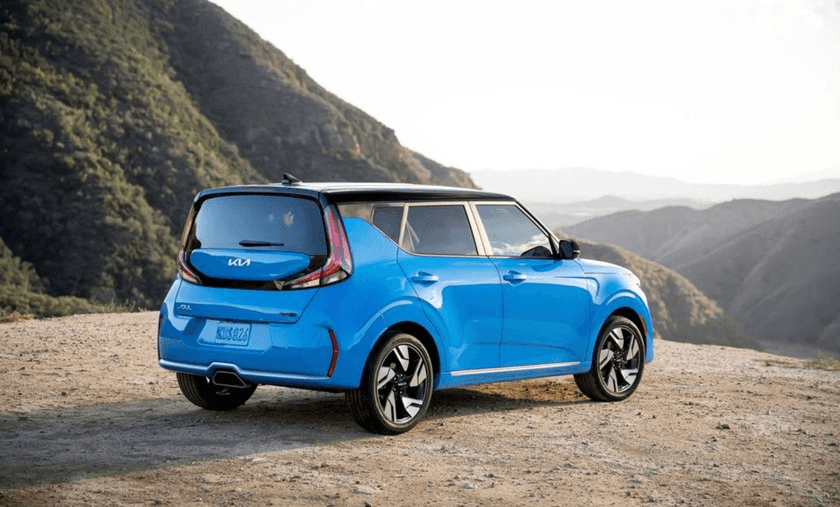
By the late 2000s, Kia had a reputation problem in the U.S. — the brand was seen as an inexpensive, unremarkable alternative rather than a genuine contender. The Soul was the first vehicle to emerge from Kia’s design-led transformation, and it was a deliberate swing in a completely different direction: boxy, upright, unapologetically distinctive, and reportedly inspired by the silhouette of a wild boar wearing a backpack. Where most small cars of the era chased conventional styling, the Soul leaned all the way into looking like nothing else on the road — and buyers noticed immediately.
The Launch That Changed the Conversation
The Soul arrived in the U.S. for 2010 and became an overnight sales story. Kia moved more than 67,000 units in its first full year, and that number jumped to over 102,000 in 2011 — genuinely remarkable growth for a brand-new nameplate. For the better part of a decade, the Soul consistently sold well over 100,000 units a year in the U.S., peaking at more than 154,000 units in a single year. It quickly earned recognition well beyond sales charts too, picking up “Best Hatchback of 2010” from Cars.com, a spot on Edmunds and Parents Magazine’s “Best Family Cars for 2010” list, and a Popular Mechanics Automotive Excellence Award — an unusually broad range of accolades for a vehicle built around personality as much as practicality.
The Hamsters Heard ‘Round the Country
No conversation about the Soul’s rise is complete without the hamsters. Kia’s “A New Way to Roll” and “This or That” ad campaigns, featuring a trio of hip-hop-dancing hamsters cruising the city in a Soul, became a genuine pop-culture phenomenon. The debut spot was named Nielsen’s “Automotive Ad of the Year” and won a Silver EFFIE Award — recognition typically reserved for major national brands, not a five-year-old challenger nameplate. The ads went viral before “viral” was even the word people reached for, and the campaign did something remarkable: it made an entire generation of American car buyers actively excited to walk into a Kia showroom, many for the first time in the brand’s history here.
Three Generations of Steady Evolution
- First generation (2010–2013): The original — boxy, colorful, and packed with personalization options that let buyers make it genuinely their own, from speaker lighting to bold two-tone paint schemes.
- Second generation (2014–2019): A slightly larger, more refined take on the formula, with more technology and safety features. This generation also became the platform for Kia’s very first electric vehicle, the Soul EV — a genuinely significant milestone as the brand began its move toward electrification years before EVs became mainstream.
- Third generation (2020–2025): The most mature Soul yet, with available turbocharged power, a more upscale interior, and a full suite of modern driver-assistance technology — proof the “quirky” hatchback had grown into a genuinely well-rounded, thoroughly modern vehicle.
More Than a Single Model’s Success Story
What made the Soul special wasn’t just its own sales figures — it was what those sales figures did for the rest of the Kia lineup. The Soul gave hesitant American buyers a reason to take Kia seriously for the first time, and many of those buyers went on to become loyal, repeat Kia customers for years afterward. Industry observers have credited the Soul as one of the true cornerstones of Kia’s American growth story, opening the door for the design-forward reputation the brand carries today. It’s genuinely rare for a single nameplate to shift an entire brand’s trajectory the way the Soul did — most vehicles sell themselves; the Soul sold an entire company’s potential.
A Legacy That’s Already Secure
Kia closed out Soul production in October 2025 after an extraordinary 16-year run spanning three generations and more than 1.5 million U.S. sales — a milestone very few nameplates in the industry ever reach, let alone one built around such an unconventional idea. Rather than a quiet exit, the Soul’s send-off has been treated the way a genuine icon deserves: as a celebration of everything it accomplished rather than simply an end date. Few vehicles get to say they changed how an entire country saw a car brand. The Soul earned that distinction, and its fingerprints are still all over Kia’s design language and its reputation for building vehicles with genuine personality.
Why Athens Still Feels the Soul’s Impact
Even now, it’s common to spot well-loved Souls around Athens and the surrounding towns — a testament to how many local drivers made the Soul their daily companion over the years. For Athens buyers who fell in love with what the Soul represented — bold design, real personality, and a Kia badge that stood for something distinctive — that spirit is a permanent part of what Bulldog Kia customers have come to expect from the brand.
Frequently Asked Questions
- How many Kia Souls were sold in the U.S.? More than 1.5 million units over its 16-year run, an extraordinary total for a nameplate that started as a design experiment.
- What inspired the Soul’s name? It’s a nod to Seoul, South Korea, Kia’s home base, along with the vehicle’s personality-first design philosophy.
- Did the Soul come as an electric vehicle? Yes — the second-generation Soul EV, launched in 2014, was Kia’s first electric vehicle in the U.S. market, years ahead of the industry’s broader EV push.
- Will Kia bring the Soul back someday? Kia hasn’t announced any plans for a successor or a return of the nameplate, leaving its 16-year run as a complete and self-contained chapter in the brand’s history.
The Verdict
The Kia Soul proved that a car company could win over an entire country not by blending in, but by standing out on purpose. It sold well over 1.5 million times in the U.S., turned dancing hamsters into a genuine cultural moment, and helped transform Kia from an overlooked budget brand into one Americans actively sought out. Fifteen years after it first rolled into U.S. showrooms, its impact on Kia’s story is still impossible to overstate.
Come Share Your Soul Story at Bulldog Kia
The Soul may have wrapped its production run, but its legacy is a permanent part of Kia’s story here in Athens. Stop by Bulldog Kia to swap stories if you were one of the many local drivers who owned one along the way — we’d love to hear about it.

0 comment(s) so far on The Kia Soul: How One Boxy Hatchback Changed Everything for Kia in Athens and Beyond