

Understanding GAP Insurance and Protection Plans: A Guide for Colbert Kia Buyers
Understanding GAP Insurance and Protection Plans: A Guide for Colbert Kia Buyers
When you’re finalizing a new Kia purchase at Bulldog Kia, our finance team will walk you through a handful of optional protection products — GAP insurance, extended service contracts, and similar add-ons. For Colbert buyers weighing whether these are worth it, here’s a clear-eyed breakdown of what they actually do.
What GAP Insurance Actually Covers
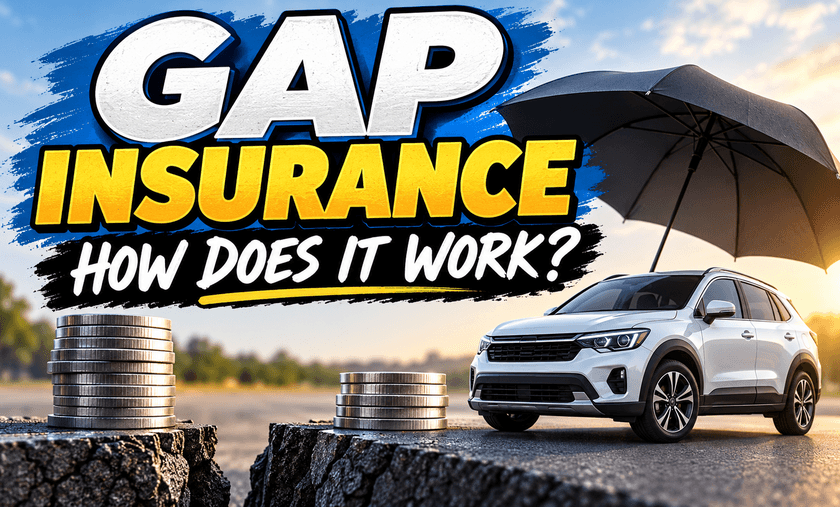
GAP stands for Guaranteed Asset Protection, and it covers the “gap” between what your standard auto insurance would pay out if your vehicle is totaled or stolen and what you actually still owe on your loan. New vehicles depreciate quickly in the first couple of years of ownership, and it’s genuinely common for a loan balance to exceed a vehicle’s actual cash value during that window — meaning without GAP coverage, you could be left owing money on a vehicle you no longer have.
Who Genuinely Benefits Most from GAP
GAP insurance makes the most financial sense for buyers who made a small down payment, financed over a longer loan term, or rolled negative equity from a previous vehicle into their new loan — all situations that widen the gap between loan balance and actual vehicle value. If you put a substantial amount down or are financing over a shorter term, the practical benefit of GAP coverage shrinks considerably.
Extended Service Contracts, Explained Simply
An extended service contract — sometimes loosely called an “extended warranty” — extends repair coverage beyond your Kia’s standard factory warranty period. Given that Kia’s own factory coverage already runs 10 years or 100,000 miles on the powertrain, the practical value of an extended contract depends heavily on how long you plan to keep the vehicle and how many miles you expect to put on it beyond that already-generous window.
Reading the Fine Print on Any Protection Plan
Not all protection products are created equal, and it’s worth asking direct questions before purchasing any of them: what’s specifically excluded, is there a deductible, does coverage transfer if you sell the vehicle, and what’s the actual claims process like. A protection plan that sounds comprehensive in a sales conversation can turn out to have meaningful gaps once you read the actual contract language.
Tire and Wheel Protection
Given the rougher stretches of pavement and occasional gravel roads common throughout the Colbert area, tire and wheel protection plans — covering repair or replacement costs from road hazard damage — are worth genuine consideration for drivers who put real miles on rural roads regularly.
Paint and Interior Protection
Products covering paint chips, interior stains, and general wear can make sense for buyers who plan to keep a vehicle immaculate for resale purposes, but they’re also among the easier products to skip if you’re comfortable with normal cosmetic wear accumulating over years of ownership.
Don’t Feel Pressured to Decide on the Spot
These protection products are optional, and a reputable finance team should be comfortable walking through the actual math with you rather than pressuring an immediate decision. It’s entirely reasonable to ask for details in writing and take a night to think it over before committing to any add-on product.
Bundling Can Sometimes Lower the Cost
If you’re seriously considering more than one protection product, it’s worth asking whether bundling them together offers better pricing than purchasing each individually — sometimes it does, and it’s a simple question that can save real money if you’ve already decided multiple products make sense for your situation.
Financing Protection Products Into Your Loan
Most protection products can be rolled into your vehicle financing rather than paid upfront, spreading the cost across your monthly payment. It’s worth understanding how that affects your total interest paid over the life of the loan before deciding whether financing the add-on makes sense compared to paying for it separately.
Making the Right Call for Your Situation
There’s no universal right answer on which protection products make sense — it genuinely depends on your down payment, loan term, how long you plan to keep the vehicle, and your own comfort with financial risk. The goal is an informed decision, not a reflexive yes or no.
How These Products Interact With Kia’s Existing Warranty
It’s worth remembering that many of these protection products are layered on top of coverage you already have through Kia’s standard warranty. Before adding an extended service contract, it’s genuinely worth mapping out exactly when your factory coverage ends and what specifically an extended contract would add beyond that baseline, rather than assuming more coverage is automatically better regardless of overlap.
A Reasonable Starting Point for Most Colbert Buyers
For a lot of Colbert buyers, GAP insurance makes the most sense specifically in the early years of a loan when the gap between loan balance and vehicle value is widest, while extended service contracts matter more for anyone planning to drive well past Kia’s already generous 10-year/100,000-mile factory coverage. Starting with those two questions is usually the clearest way to narrow down which products are actually worth considering.
Questions About Protection Products?
Our finance team at Bulldog Kia is happy to walk through the real math on GAP insurance and any other protection product, with no pressure attached. Stop by and let’s figure out what actually makes sense for you.

0 comment(s) so far on Understanding GAP Insurance and Protection Plans: A Guide for Colbert Kia Buyers